

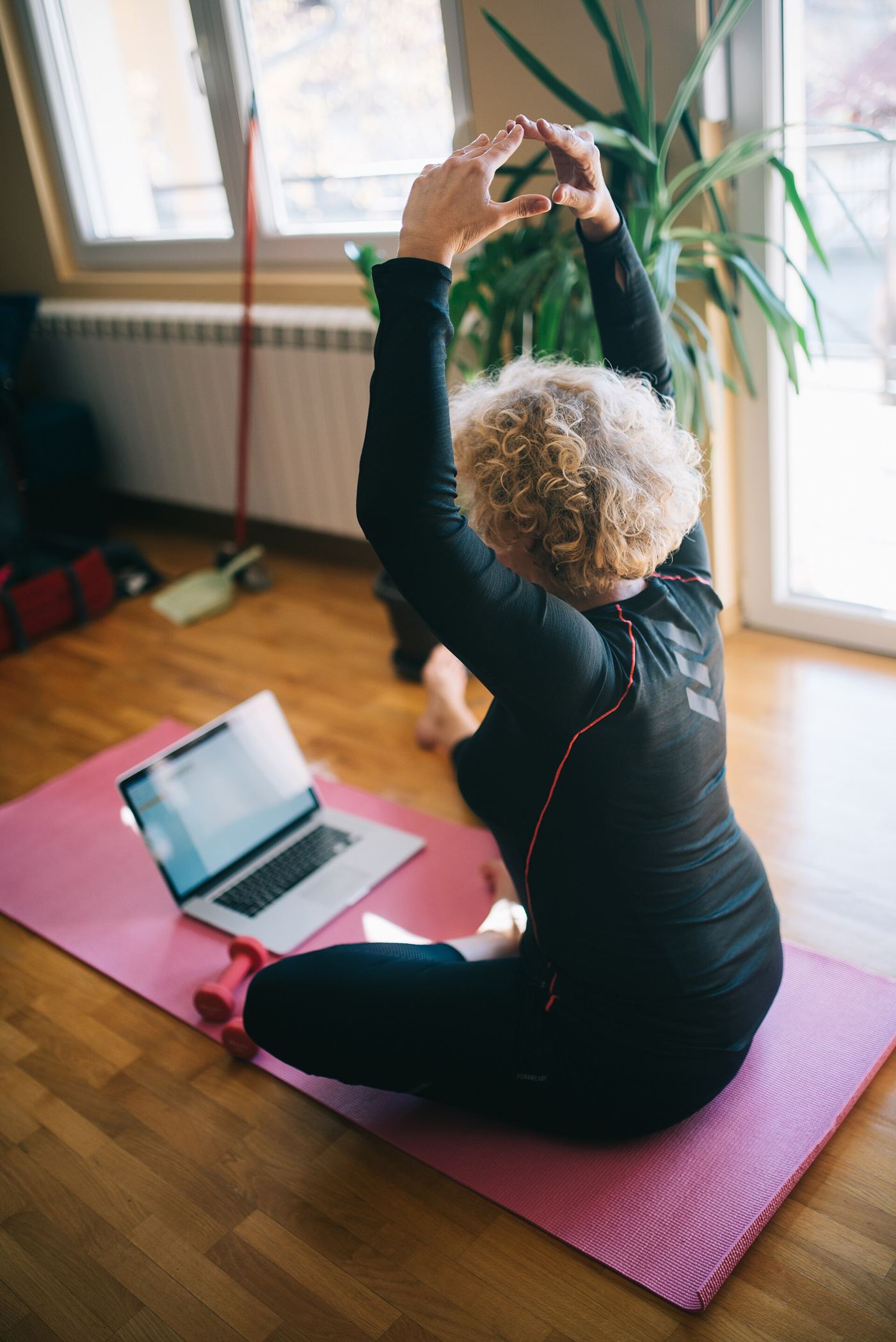
Short morning mobility routines are gaining popularity among desk workers who wake with stiff shoulders, tight hips and aching backs after long days spent sitting. Physiotherapists say ten minutes of gentle, progressive movement can restore a surprising amount of comfort, by warming muscles, lubricating joints and reminding the nervous system of ranges of motion that desk postures quietly erase. Unlike intense workouts, mobility work is deliberately easy: slow neck turns, shoulder circles, spinal twists, hip openers and ankle pumps, all performed within a pain-free range. Practitioners emphasise that the goal is smoothness, not flexibility heroics, and that consistency across the week matters far more than the occasional long weekend session performed with great enthusiasm. Occupational health specialists note that morning stiffness is often a signal rather than a condition, reflecting total daily movement more than anything done wrong overnight. Address the day, they advise, with regular standing breaks, varied tasks and walking where possible, and the mornings usually improve as a side effect. The routine then becomes maintenance rather than repair. Keeping a brief note of which movements help most allows people to personalise their sequence, dropping what feels pointless and keeping what reliably loosens shoulders, hips or spine.
What the Evidence Shows
Workers who adopt the habit often report that the benefits show up later in the day, in fewer headaches, less fidgeting and an easier time concentrating through afternoon meetings. Experts suggest pairing the routine with an existing cue, such as the kettle boiling, and keeping any equipment minimal so nothing becomes a reason to skip. Anyone with recent injuries, joint replacements or persistent numbness should seek individual assessment rather than copying online routines. Employers are also taking interest, sharing short mobility videos in wellbeing programmes, on the reasonable basis that comfortable staff who move well tend to take fewer days off with musculoskeletal pain. Technology can support the habit without complicating it: a phone timer, a short follow-along video or a reminder linked to an alarm is enough for most people. What matters, physiotherapists repeat, is daily repetition at an easy effort. Over months, those ten minutes amount to dozens of hours of gentle movement that stiff joints would otherwise never receive. For desk workers facing decades at a screen, that quiet accumulation may be one of the simplest available investments in long-term comfort and working life. Reporting and analysis from sources such as National Institutes of Health track the same developments, and specialists following morning mobility routines say the direction is now consistent across independent lines of evidence.
The Wider Context
The wider context is a health system trying to move from treating illness late to preventing it early, against budgets that reward the opposite. Evidence around morning mobility routines is being weighed by guideline committees that ask two questions in order: does it work, and can ordinary services actually deliver it at scale. Many good ideas pass the first test and stall on the second.
What Happens Next
What happens next for morning mobility routines depends on the slow machinery of guidelines, funding and training catching up with the evidence. Patients asking about it today should expect honest answers that include uncertainty, and clinicians say a service that explains what is not yet known earns more trust than one that oversells. The research pipeline, at least, is moving in the right direction. You can follow related developments in our coverage of health.
None of this will be settled by a single announcement, study or product launch. The pattern to watch is accumulation: independent confirmations, honest reporting of failures and steady improvement in the underlying numbers. Readers who follow those signals, rather than the loudest claim of the week, will understand this subject better than most of the commentary surrounding it suggests is possible.
