

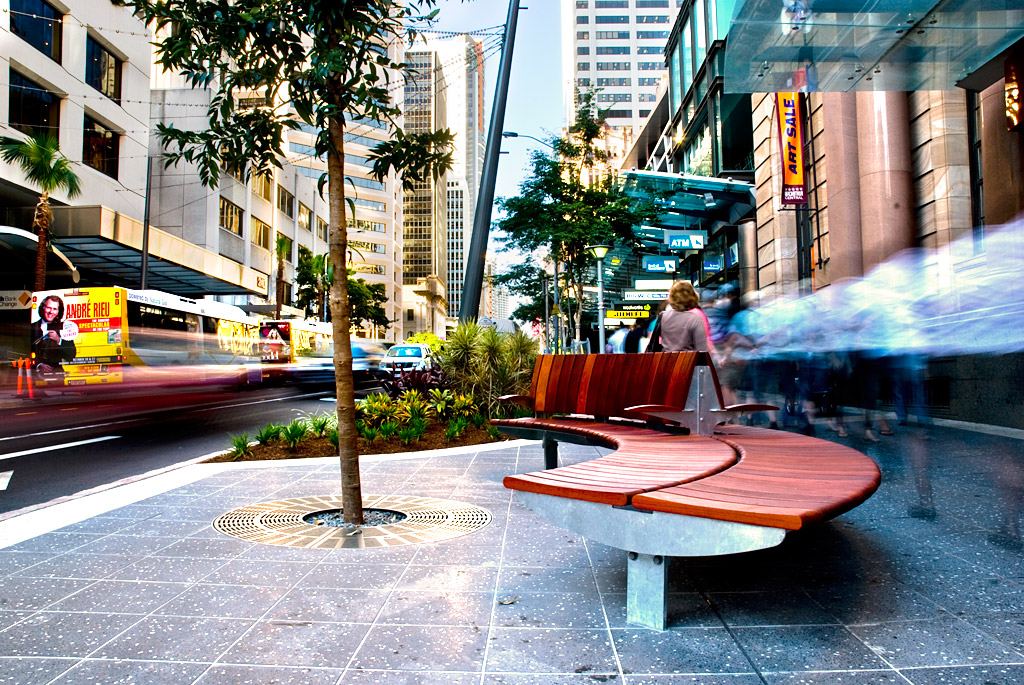
Health services are reminding city residents how to stay safe during heatwaves, with simple advice that centres on finding shade, drinking water regularly and knowing the warning signs of heat exhaustion. Urban areas trap heat in concrete and asphalt, so temperatures on a city street can run several degrees higher than in surrounding countryside, and the risk is greatest for older people, young children, outdoor workers and anyone with a heart or breathing condition. Doctors advise planning the day around the heat: doing errands early or late, resting in shaded parks or air-conditioned libraries during the hottest hours, and carrying water rather than waiting to feel thirsty. Light clothing, a hat and sunscreen complete the basics, and neighbours are encouraged to check on people living alone, since heat illness can develop quietly and quickly in a hot flat.
What the Evidence Shows
Clinicians say the warning signs to watch for include heavy sweating, dizziness, nausea, headache and confusion, and anyone showing them should be moved to a cooler place, given water and cooled with damp cloths. If symptoms worsen or the person stops sweating, emergency help should be called immediately, because heatstroke can become life-threatening within an hour. Employers have a duty to protect outdoor workers with shaded rest breaks, water and adjusted schedules, and schools are advised to keep children out of direct sun at midday. Public health teams also recommend learning where the nearest cool spaces are before a heatwave arrives, from shopping centres to community halls. Most heat illness is preventable, doctors stress, and a little planning before the temperature rises makes all the difference. Checking on older neighbours and carrying a bottle of water are small habits that can prevent a serious emergency. Reporting and analysis from sources such as National Institutes of Health track the same developments, and specialists following heatwave shade and water say the direction is now consistent across independent lines of evidence.
The Wider Context
The wider context is a health system trying to move from treating illness late to preventing it early, against budgets that reward the opposite. Evidence around heatwave shade and water is being weighed by guideline committees that ask two questions in order: does it work, and can ordinary services actually deliver it at scale. Many good ideas pass the first test and stall on the second.
What Happens Next
What happens next for heatwave shade and water depends on the slow machinery of guidelines, funding and training catching up with the evidence. Patients asking about it today should expect honest answers that include uncertainty, and clinicians say a service that explains what is not yet known earns more trust than one that oversells. The research pipeline, at least, is moving in the right direction. You can follow related developments in our coverage of health.
None of this will be settled by a single announcement, study or product launch. The pattern to watch is accumulation: independent confirmations, honest reporting of failures and steady improvement in the underlying numbers. Readers who follow those signals, rather than the loudest claim of the week, will understand this subject better than most of the commentary surrounding it suggests is possible.
