

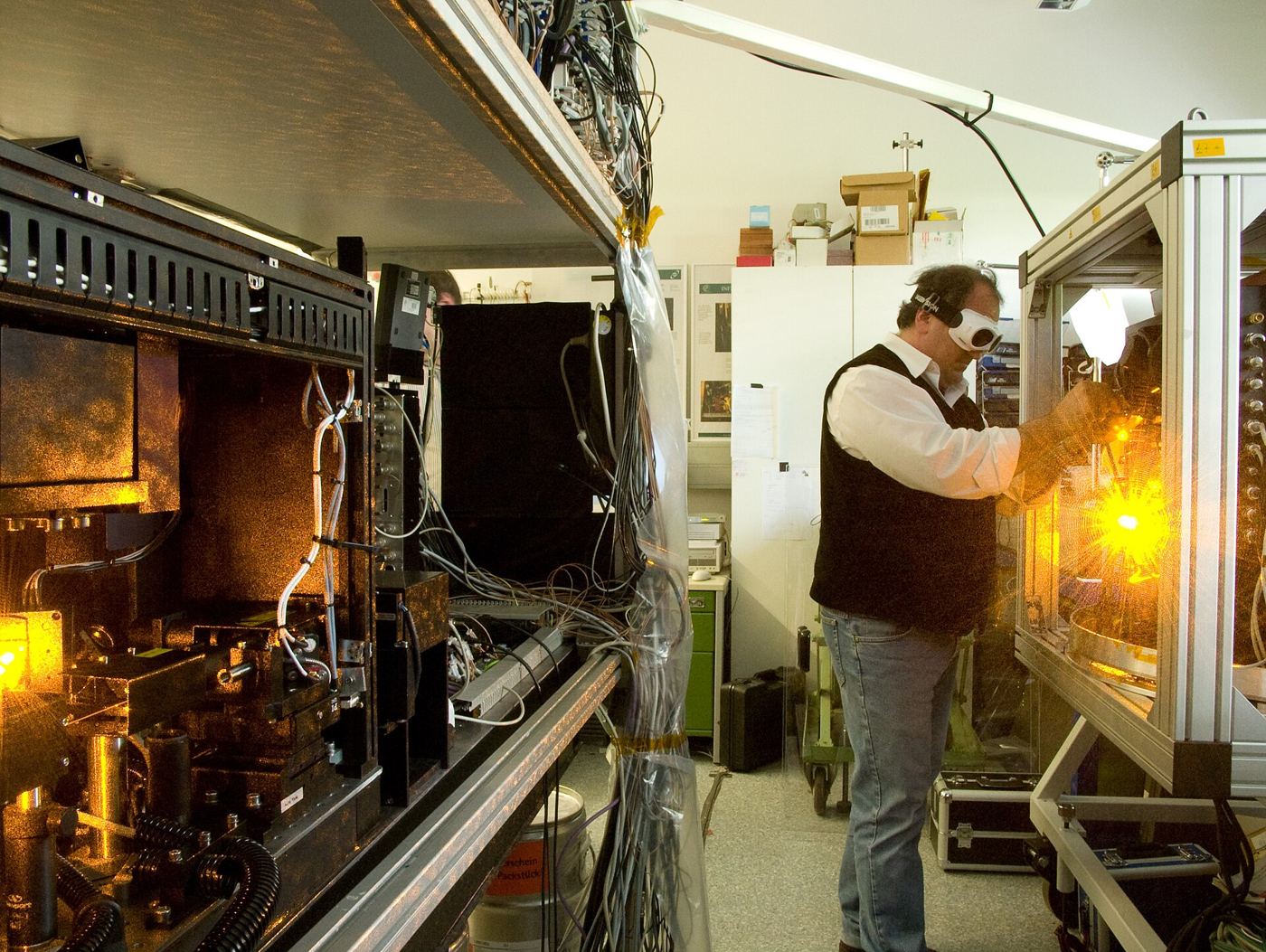
The same strange physics that powers quantum computers is also producing instruments of extraordinary sensitivity. Quantum sensors use atoms cooled almost to absolute zero, or diamonds with a single flaw in their crystal, to measure gravity, magnetism and time with a precision ordinary instruments cannot reach. A quantum gravity sensor can detect a buried tunnel or a hidden water pipe by the tiny change in gravity they cause, while a quantum magnetometer can pick up the faint magnetic signal of a beating heart without touching the skin. Doctors are testing sensors that map the brain’s magnetic field to spot epilepsy, and surveyors are testing gravity sensors that could find old mine shafts before a building goes up. The instruments work by putting atoms into a delicate quantum state and watching how the smallest disturbance changes it, turning effects too faint to measure into a readable signal.
What the Evidence Shows
The challenge is keeping the sensors working outside the laboratory. The quantum states are fragile, disturbed by vibration, heat and stray magnetic fields, so early devices were large and delicate. Engineers are now shrinking them into portable boxes that can be carried into the field, and some fit into a van or a backpack. Researchers say the most promising uses are underground mapping, medical scanning and navigation for vehicles that cannot use satellite signals, such as submarines. Progress is steady rather than sudden, and experts caution that quantum sensors will not replace ordinary instruments everywhere. But in the places where a faint signal matters, a hidden cavity, a failing heart or a submarine far below the surface, they can see what nothing else can. Reporting and analysis from sources such as Wired track the same developments, and specialists following the ultra-sensitive quantum sensors say the direction is now consistent across independent lines of evidence.
The Wider Context
The wider context is an industry learning to ship capability and restraint together. Products built around the ultra-sensitive quantum sensors now launch with safety evaluations, usage data and rollback plans as standard, because enterprise buyers and regulators ask for them in the first meeting. Companies that treated those questions as friction are discovering they have become the purchase criteria.
What Happens Next
What happens next for the ultra-sensitive quantum sensors depends less on another breakthrough than on the unglamorous work of reliability, pricing and support. The buyers evaluating it now are not enthusiasts; they are operators with budgets and auditors, and their checklists will decide the timeline. On the evidence of the current pilots, the technology has earned the right to be judged by them. You can follow related developments in our coverage of technology.
None of this will be settled by a single announcement, study or product launch. The pattern to watch is accumulation: independent confirmations, honest reporting of failures and steady improvement in the underlying numbers. Readers who follow those signals, rather than the loudest claim of the week, will understand this subject better than most of the commentary surrounding it suggests is possible.
