

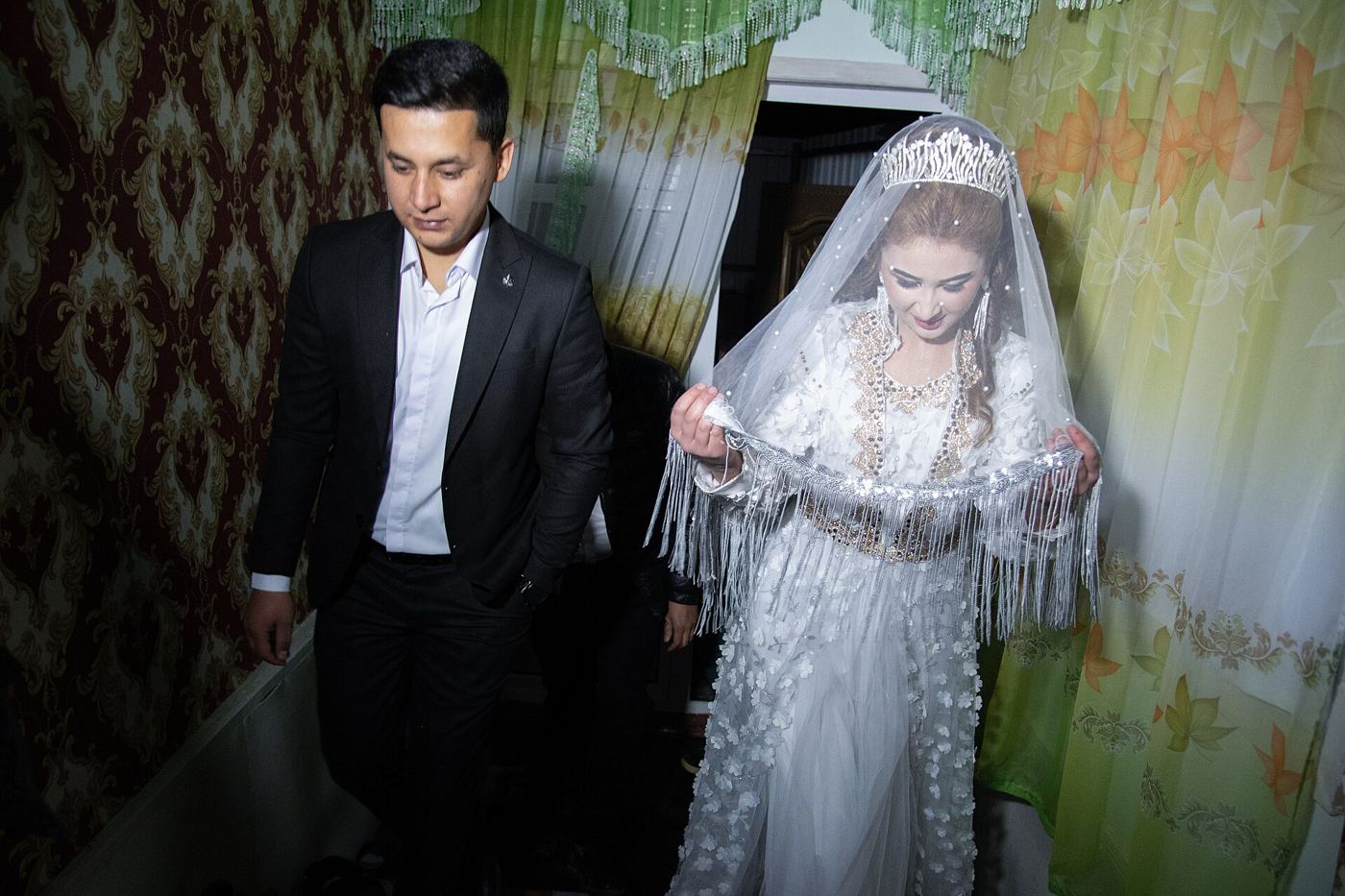
Couples are planning weddings on a budget without losing the day, finding that a smaller, thoughtful celebration can feel just as special as a lavish one. Weddings are expensive, with the venue, food, photography and outfits adding up quickly, and many couples say the costs crept up far beyond what they first expected. Money advisers say the most useful first step is to agree a total budget before booking anything, and to decide together which three things matter most, whether that is the food, the music or the photographs. The guest list drives much of the cost, since every extra guest adds a meal, a chair and a favour, so a shorter list is the fastest way to save. Weekday or out-of-season dates, a simpler menu and a smaller cake can all cut hundreds of pounds. Couples who plan carefully say the day itself feels no less joyful for the savings.
What the Evidence Shows
Experts advise keeping a simple spreadsheet of every cost, including the easy-to-forget extras such as postage, transport and tips. Paying deposits by credit card can add protection on larger bookings, and couples should read cancellation terms before signing a venue contract. Borrowing to pay for a wedding is best avoided, advisers warn, since starting married life in debt takes the shine off the day. Friends and family can help with music, flowers or baking, and second-hand dresses and decorations can look just as good as new ones. A regular savings plan, started as soon as the date is set, spreads the cost across the months. For couples, the lesson is encouraging: a wedding planned around what matters most costs less and is remembered more fondly. Reporting and analysis from sources such as World Bank track the same developments, and specialists following planning a wedding on a budget say the direction is now consistent across independent lines of evidence.
The Wider Context
For households and small firms, planning a wedding on a budget matters through prices and access rather than through market commentary. Changes at this level arrive as a rate on an offer letter, a fee on a statement or a product that quietly disappears from a comparison table. Consumer groups argue that transparency at exactly that point of decision is worth more than any amount of market-level reporting.
What Happens Next
The outlook for planning a wedding on a budget hinges on policy choices that will be made in the open over the coming quarters. Market participants are positioned for more than one outcome, which is why the immediate reaction to each announcement has been smaller than the commentary around it. For ordinary savers and borrowers, the advice from every quarter is the same: review your own position, not the headlines. You can follow related developments in our coverage of finance.
It is also worth remembering how quickly the picture in this area has changed before. Positions that looked settled a few years ago have been revised as new data arrived, and the same humility is appropriate now. The strongest coverage of this subject, and the most useful advice, tends to come from sources that update their views openly when the facts move, rather than defending an earlier position long after it has stopped fitting the evidence available.
