

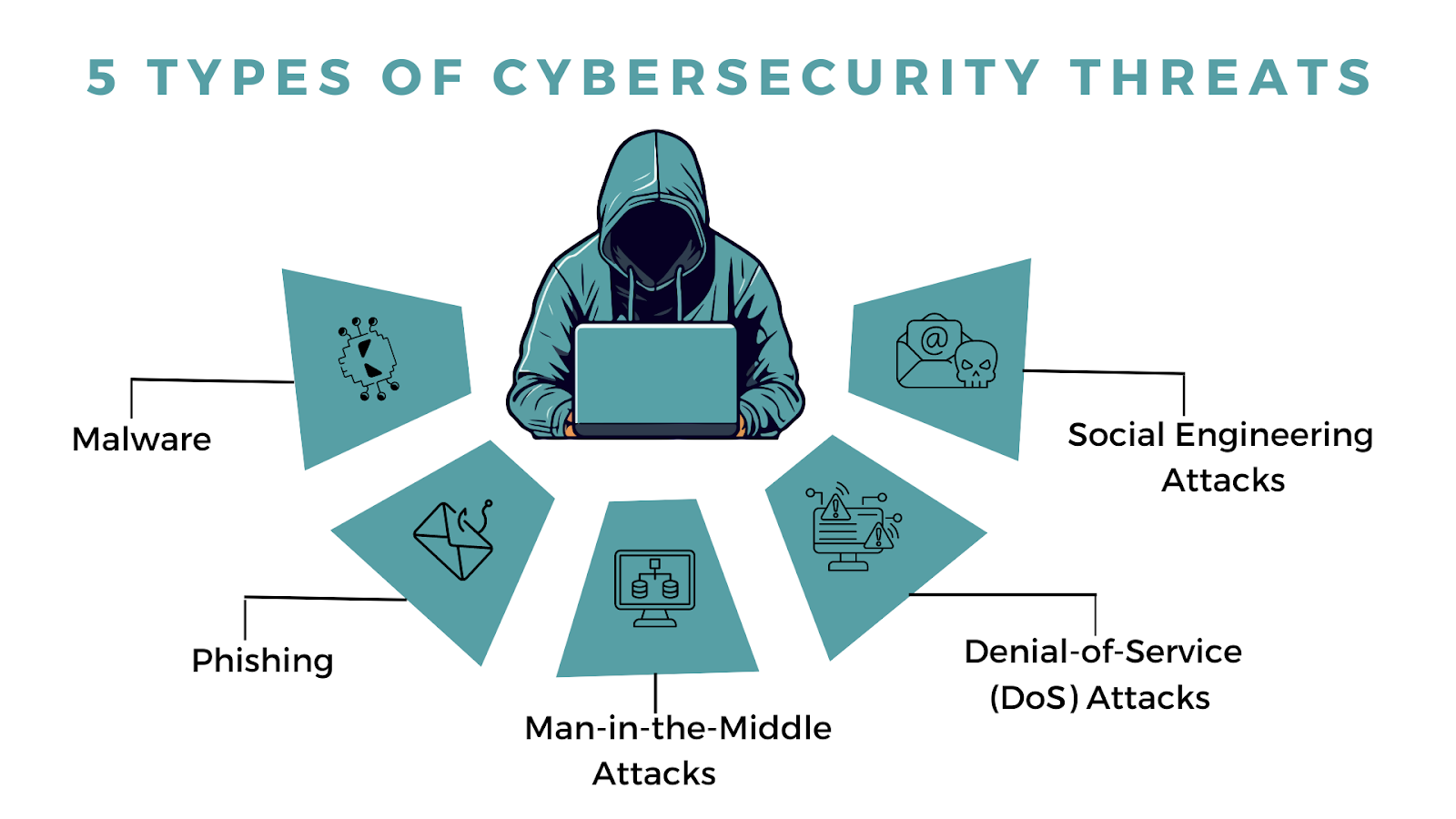
Cybersecurity threats are increasing every day as more people rely on smartphones, laptops, cloud storage, and online services for work, communication, and financial activities. From data breaches to phishing attacks, cybercriminals are constantly finding new ways to exploit weak security habits. Understanding cybersecurity is no longer optional—it is a necessary skill for every tech user in today’s digital world. This article explains essential cybersecurity risks, protection strategies, and practical steps every user should follow to stay safe online.
Understanding Modern Cybersecurity Threats
Phishing Attacks and Fake Messages
Phishing is one of the most common cybersecurity threats where attackers send fake emails, messages, or websites to steal sensitive information like passwords and banking details. These messages often look real and urgent, making users click without thinking. Understanding how phishing works helps users identify suspicious communication and avoid sharing personal data with unknown sources.
Malware and Ransomware Risks
Malware is harmful software designed to damage devices or steal information, while ransomware locks your files and demands payment to restore access. These threats often spread through unsafe downloads, email attachments, or compromised websites. Strong cybersecurity awareness helps users avoid risky files and maintain secure devices.
Data Breaches and Account Exposure
Data breaches occur when hackers access company databases and leak user information such as emails, passwords, or credit card details. Even large platforms can be affected, making it important for users to regularly update passwords and monitor account activity to prevent unauthorized access.
Essential Cybersecurity Practices for Everyday Users
Strong Password Management Habits
Using weak or repeated passwords increases the risk of account hacking. A strong cybersecurity habit includes creating unique passwords with a mix of letters, numbers, and symbols. Password managers can also help securely store and manage login credentials without memorizing them all.
Two-Factor Authentication Protection
Two-factor authentication (2FA) adds an extra layer of security by requiring a second verification step, such as a code sent to your phone. Even if someone steals your password, they cannot access your account without this second step, making it one of the most effective cybersecurity tools.
Safe Browsing and Download Practices
Safe browsing means avoiding suspicious websites, unknown links, and unverified downloads. Many cyber threats come from unsafe sources that look legitimate. Always checking website authenticity and downloading software from official platforms helps reduce cybersecurity risks significantly.
Advanced Cybersecurity Awareness for Digital Safety
Securing Personal Devices and Networks
Protecting your devices is a key part of cybersecurity. This includes using updated antivirus software, enabling firewalls, and securing Wi-Fi networks with strong passwords. Public Wi-Fi should be avoided for sensitive activities like banking or logins.
Social Media Privacy Protection
Social media platforms often expose personal information that cybercriminals can misuse. Adjusting privacy settings, limiting personal posts, and avoiding oversharing are important steps in maintaining digital safety and reducing identity theft risks.
Regular Software and System Updates
Outdated software often contains security vulnerabilities that hackers can exploit. Keeping your operating system, apps, and browsers updated ensures you receive the latest security patches, which strengthens your overall cybersecurity protection.
FAQs
1. What is cybersecurity in simple words?
Cybersecurity means protecting your devices, data, and online accounts from hackers and digital threats.
2. Why is cybersecurity important for everyone?
Because most personal and financial activities are now online, making users vulnerable to cyber attacks.
3. What is the most common cyber threat?
Phishing attacks are the most common because they target human mistakes rather than systems.
4. How can I protect my online accounts?
Use strong passwords, enable two-factor authentication, and avoid suspicious links.
5. Is antivirus enough for cybersecurity?
No, antivirus helps but full cybersecurity also includes safe habits, updates, and awareness.
Conclusion
Cybersecurity is a critical part of modern digital life, and every tech user must understand the risks and protective measures involved. By recognizing threats like phishing, malware, and data breaches, and by adopting safe practices such as strong passwords, two-factor authentication, and regular updates, users can significantly reduce their vulnerability. Staying informed and cautious online is the key to maintaining long-term digital safety in an increasingly connected world.