

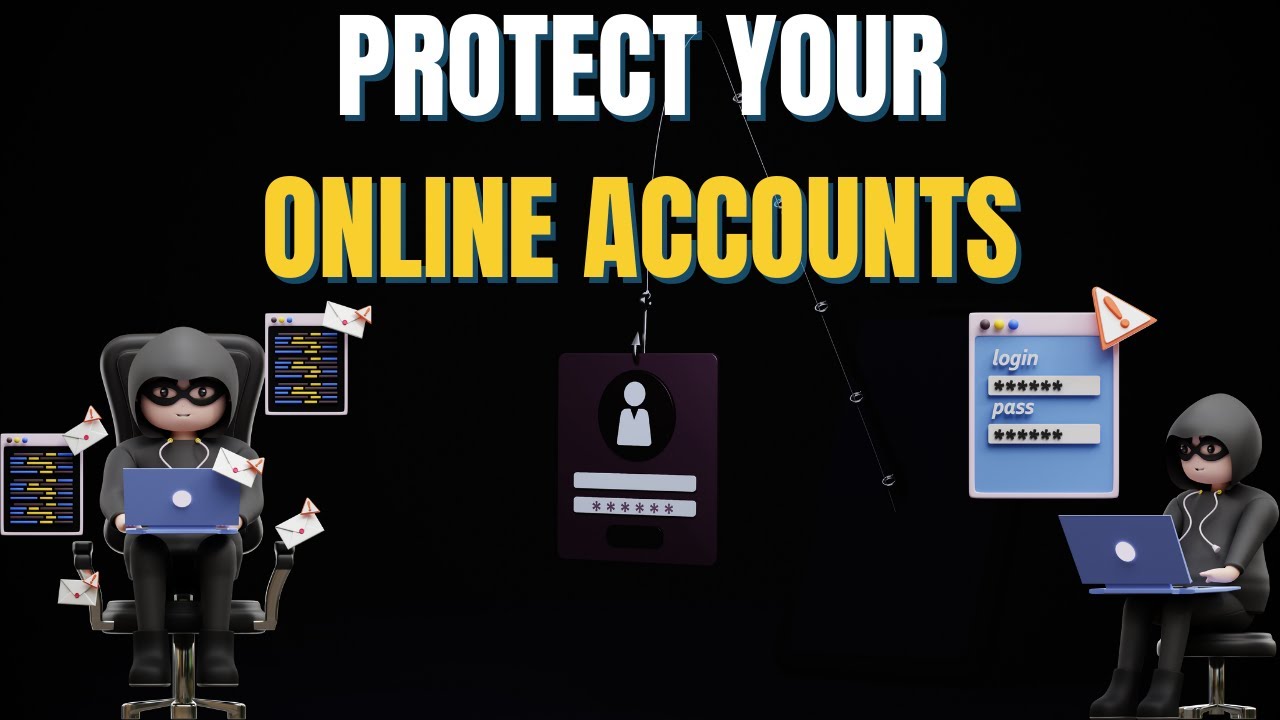
Cybersecurity threats are increasing every day, and online users are becoming easy targets for hackers, phishing scams, and data leaks. Many people only realize the importance of account security after their personal information or money has already been stolen. This article explains why cybersecurity matters, how threats work, and what practical steps you can take to protect your accounts before it’s too late.
Understanding Modern Cybersecurity Threats
Phishing Attacks and Fake Login Pages
Phishing is one of the most common cybersecurity threats where attackers create fake websites or emails that look real. Users are tricked into entering their passwords, which are then stolen instantly. These attacks often target email accounts, social media profiles, and banking portals, making them highly dangerous for everyday users.
Data Breaches and Stolen Password Databases
Data breaches happen when hackers access large databases containing user credentials from websites or apps. Once leaked, these passwords are often sold on the dark web or reused in automated attacks. If you use the same password across multiple platforms, one breach can compromise all your accounts.
Malware and Spyware Infections
Malware and spyware are harmful software programs designed to secretly monitor or damage your device. They can record keystrokes, steal login details, and even access private files. These threats often spread through unsafe downloads, email attachments, or untrusted websites.
Essential Account Protection Practices
Strong and Unique Password Creation
Using strong passwords is the first step in protecting your accounts from cyberattacks. A secure password should include a mix of letters, numbers, and symbols, and should not be reused across multiple sites. Weak or repeated passwords make it easy for hackers to access multiple accounts once one is compromised.
Two-Factor Authentication for Extra Security
Two-factor authentication (2FA) adds an extra layer of protection by requiring a second verification step, such as a code sent to your phone. Even if someone steals your password, they cannot log in without this additional code. Enabling 2FA significantly reduces the risk of unauthorized access.
Regular Software and App Updates
Keeping your software and apps updated ensures that security vulnerabilities are patched regularly. Hackers often exploit outdated systems to gain access to devices and accounts. Updating your operating system, browsers, and applications helps protect you from known security threats.
Advanced Cybersecurity Protection Strategies
Secure Network Usage and Avoiding Public Wi-Fi Risks
Public Wi-Fi networks are often unsecured, making it easier for attackers to intercept data. Avoid logging into sensitive accounts while using public networks, or use a trusted VPN to encrypt your connection. This helps protect your login credentials and personal data from being exposed.
Email Security and Suspicious Link Awareness
Email remains one of the primary entry points for cyberattacks. Always verify the sender before clicking any link or downloading attachments. Cybercriminals often use urgent or emotional language to trick users into taking quick actions without thinking.
Monitoring Account Activity Regularly
Regularly checking your account activity can help you detect unauthorized access early. Most platforms provide login history and device tracking features. If you notice unfamiliar activity, immediately change your password and enable additional security settings.
FAQs
1. What is cybersecurity and why is it important?
Cybersecurity refers to protecting your devices, accounts, and data from digital threats like hacking and malware.
2. How do hackers steal passwords?
Hackers use phishing, malware, and data breaches to collect or guess user passwords.
3. What is the safest way to create passwords?
Use long, unique passwords with a mix of letters, numbers, and symbols for each account.
4. Is two-factor authentication necessary?
Yes, it adds an extra security layer that protects your account even if your password is stolen.
5. Can public Wi-Fi be dangerous?
Yes, public Wi-Fi can expose your data to hackers if not properly secured with encryption.
Conclusion
Cybersecurity is no longer optional—it is essential for protecting your personal and financial information in today’s digital world. By understanding modern threats and applying strong security practices like unique passwords, two-factor authentication, and safe browsing habits, you can significantly reduce the risk of cyberattacks. Staying alert and proactive is the key to ensuring your online accounts remain safe and secure before it’s too late.