

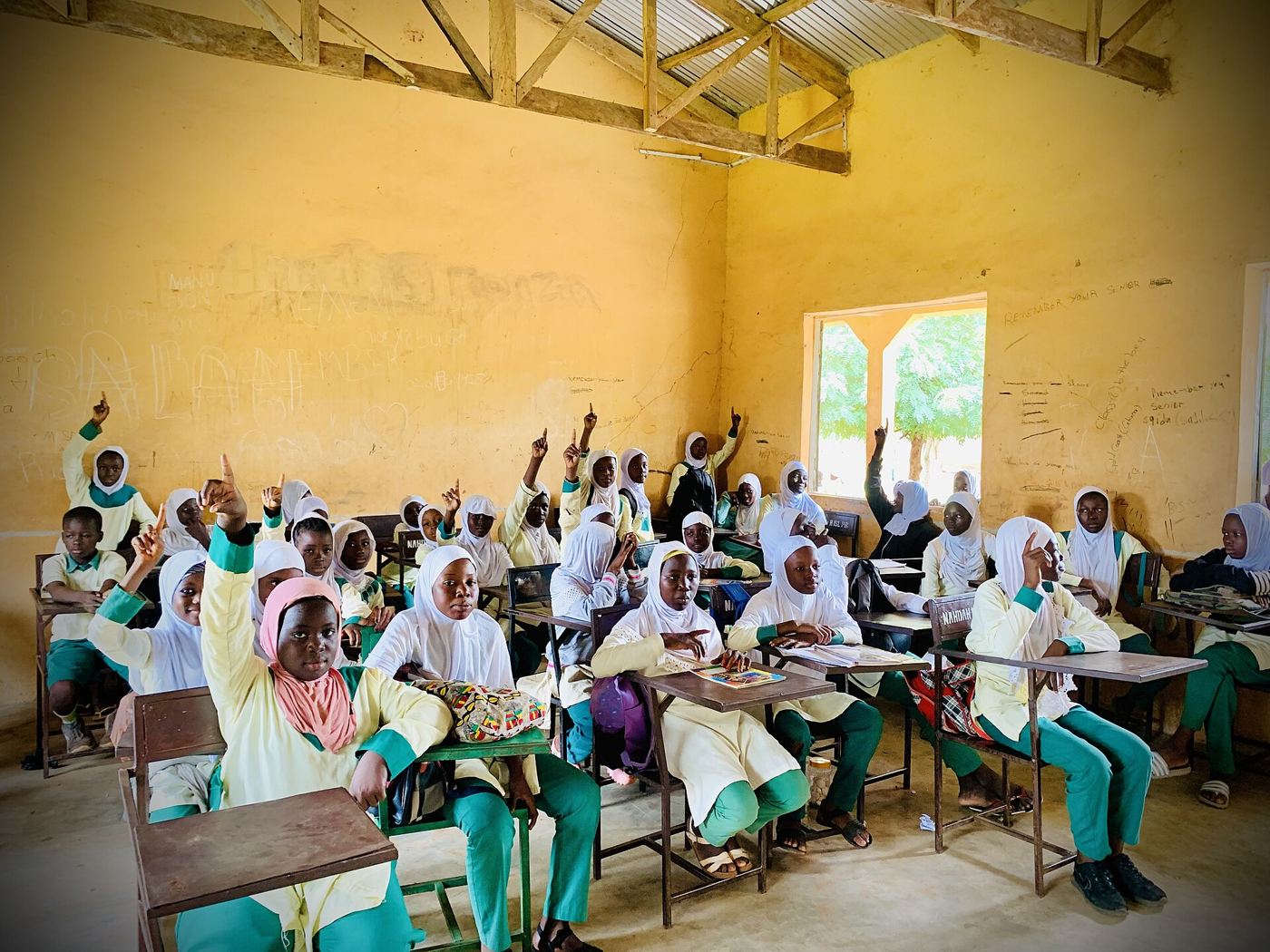
Education psychologists are studying how the questions teachers ask, and how long they wait for answers, change who actually learns in a classroom. In observed lessons, extending the pause after a question from one second to three or more transformed responses: quieter students began answering, and answers grew longer and more thoughtful. Teachers were also encouraged to let students discuss in pairs before anyone replied publicly, lowering the social risk of being wrong. The techniques cost nothing and require no technology. Researchers say they work because thinking takes time, and most classroom talk accidentally rewards only the fastest minds.
What the Evidence Shows
The study teams are now training teachers to track their own habits, since many are surprised by recordings of how quickly they answer their own questions. They also advise spreading questions around the room deliberately rather than accepting the same volunteers. Students reported that pair discussion made them more willing to risk an uncertain answer in front of everyone. Over a term, teachers using the approach saw participation widen noticeably. The psychologists caution that questioning is not a trick but a stance: treating wrong answers as useful information about what to teach next, instead of as failures to move past quickly. Reporting and analysis from sources such as Nature Human Behaviour track the same developments, and specialists following teacher questioning widening classroom participation say the direction is now consistent across independent lines of evidence.
The Wider Context
The wider context is a discipline rebuilding confidence through replication and pre-registration, and findings on teacher questioning widening classroom participation are being reported with their effect sizes and limits attached. That honesty can make results sound smaller than the headlines of a decade ago, but the effects that survive are the ones practitioners can responsibly build on.
What Happens Next
What happens next in research on teacher questioning widening classroom participation is a turn toward real-world trials: longer, larger and conducted in the schools, workplaces and clinics where the findings are meant to apply. Psychologists are also studying individual differences more seriously, because average effects conceal the people for whom an approach works powerfully and those it leaves cold. Both shifts make the science slower and more useful. You can follow related developments in our coverage of psychology.
None of this will be settled by a single announcement, study or product launch. The pattern to watch is accumulation: independent confirmations, honest reporting of failures and steady improvement in the underlying numbers. Readers who follow those signals, rather than the loudest claim of the week, will understand this subject better than most of the commentary surrounding it suggests is possible.
There is a practical lesson in all of this for readers deciding what to do today. Start with the verified facts, be wary of anyone promising certainty, and prefer reversible steps while the evidence is still developing. Circumstances differ by country, income and personal situation, so general guidance should always be weighed against your own context before you act on it in any significant or lasting way.
