

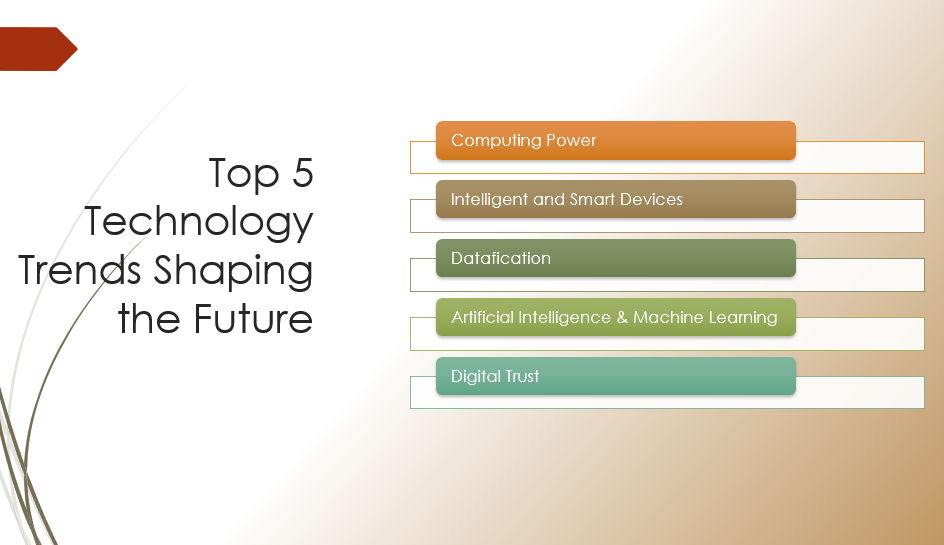
Technology is evolving faster than ever, and smart innovations are quietly transforming how we live, work, and communicate. From artificial intelligence to connected devices, smart tech changes are shaping a future that feels more automated, efficient, and personalized. These advancements are not just upgrades—they are reshaping entire industries and daily lifestyles in powerful ways.
Artificial Intelligence and Automation Growth
AI-powered decision making
Artificial intelligence is becoming a key driver of modern digital systems. AI-powered decision making allows machines to analyze large amounts of data and provide fast, accurate insights. This is helping businesses reduce human error and improve productivity. In many industries, AI systems are now used to support predictions, customer behavior analysis, and real-time recommendations, making operations smarter and more efficient.
Automation in everyday systems
Automation is no longer limited to factories or large industries. It is now part of everyday tools like apps, smart assistants, and online platforms. Automation helps reduce manual work by handling repetitive tasks such as scheduling, data entry, and customer support. This shift is increasing efficiency while allowing people to focus on more creative and strategic tasks.
Machine learning advancements
Machine learning is improving rapidly, enabling systems to learn from data and improve over time. This technology is used in search engines, recommendation systems, and fraud detection. As machine learning continues to evolve, it is expected to make digital experiences more personalized and accurate, helping users interact with technology in a more natural way.
Internet of Things (IoT) Expansion
Smart home connectivity
The Internet of Things is connecting everyday devices like lights, thermostats, and appliances. Smart home systems allow users to control their environment using mobile apps or voice commands. This creates convenience, energy efficiency, and better control over household functions. As IoT grows, homes are becoming more intelligent and responsive.
Industrial IoT transformation
Industries are also benefiting from IoT technology. Sensors and connected systems help monitor equipment, track performance, and predict maintenance needs. This reduces downtime and increases productivity. Industrial IoT is playing a major role in manufacturing, agriculture, and logistics by improving decision-making and operational control.
Data-driven smart systems
IoT devices generate large amounts of data that can be used for better insights. Smart systems analyze this data to improve performance, safety, and efficiency. Whether in cities, transportation, or healthcare, data-driven IoT solutions are making systems more adaptive and intelligent over time.
Future Communication and Digital Connectivity
5G and next-generation networks
5G technology is transforming how people connect to the internet. It offers faster speeds, lower latency, and improved reliability. This enables smoother streaming, real-time communication, and advanced applications like augmented reality. As next-generation networks expand, digital communication will become more seamless and powerful.
Cloud-based communication systems
Cloud technology is changing how information is stored and shared. Cloud-based communication allows users to access data from anywhere, making collaboration easier and more efficient. Businesses are increasingly relying on cloud platforms for remote work, data management, and secure communication systems.
Global digital integration
Digital connectivity is bringing the world closer together. People can now communicate instantly across borders, share information, and collaborate in real time. This global integration is supporting education, business, and innovation, making technology an essential part of modern communication systems.
Smart Technologies in Daily Life
Wearable technology evolution
Wearable devices like smartwatches and fitness trackers are becoming more advanced. They monitor health, track activity, and provide real-time feedback. These devices help users stay informed about their well-being and encourage healthier lifestyles through continuous monitoring and alerts.
Smart transportation systems
Transportation is becoming more intelligent with the help of smart technologies. Navigation systems, traffic monitoring, and electric vehicles are improving travel efficiency. These innovations reduce congestion, improve safety, and support environmentally friendly transportation solutions.
Digital lifestyle transformation
Smart technology is changing daily routines by integrating digital tools into everyday life. From online shopping to virtual assistants, people now rely on technology for convenience and speed. This transformation is making lifestyles more connected, efficient, and flexible.
FAQs
What are smart tech changes?
Smart tech changes refer to technological advancements that improve automation, connectivity, and efficiency in daily life and industries.
How does AI impact the future?
AI improves decision-making, automation, and personalization, making systems smarter and more efficient.
What is IoT in simple words?
IoT is a system where devices are connected to the internet to share and exchange data automatically.
Why is 5G important?
5G provides faster internet, lower delay, and better connectivity for modern digital applications.
How does smart technology affect daily life?
It makes life easier by improving convenience, communication, health tracking, and home automation.
Conclusion
Smart technology is rapidly reshaping the future by improving automation, connectivity, and digital experiences across all areas of life. From artificial intelligence to IoT and advanced communication systems, these innovations are building a more efficient and connected world. As these technologies continue to evolve, they will play an even bigger role in shaping how we live, work, and interact in the years ahead.