

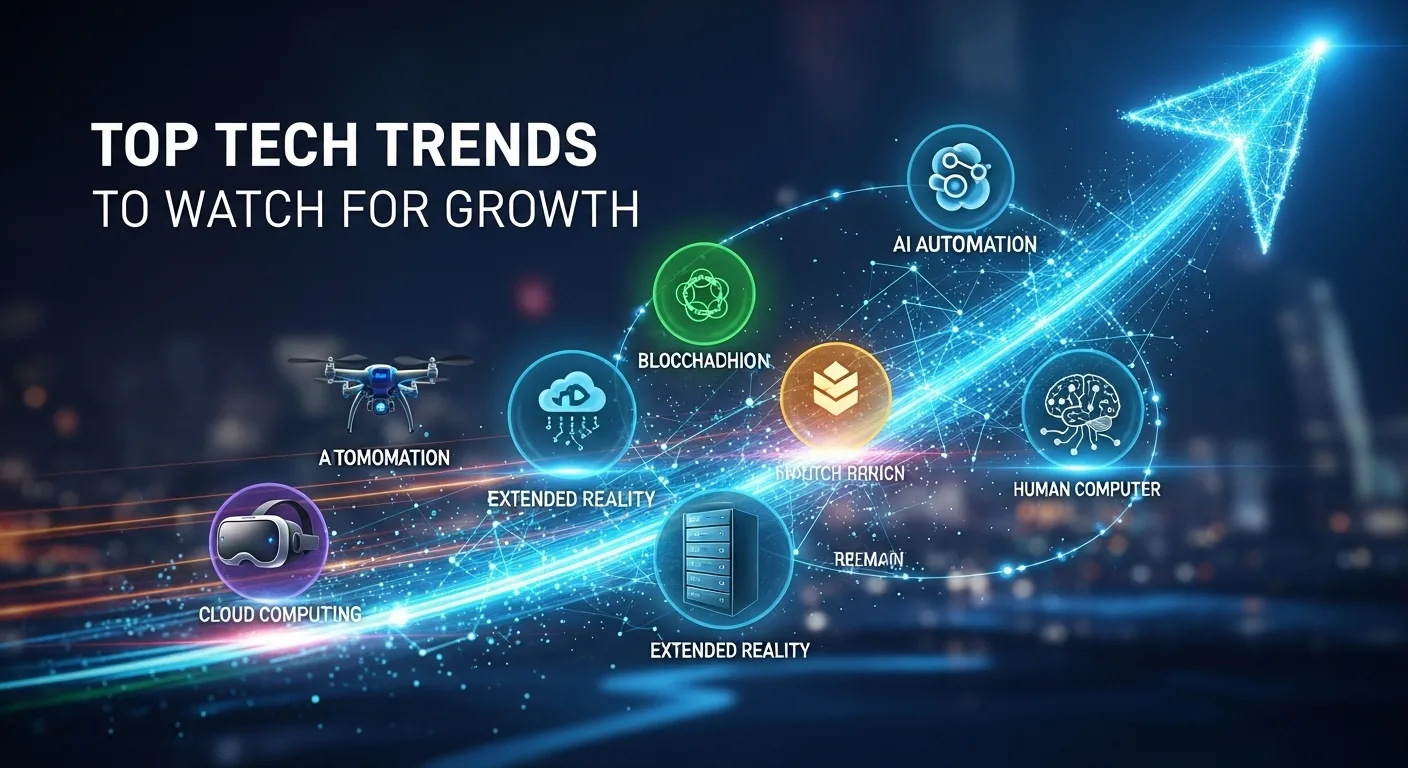
The world of big tech is changing faster than ever, shaping how we work, communicate, and use the internet every day. From artificial intelligence breakthroughs to major shifts in privacy rules and platform updates, leading technology companies are redefining the digital future. Understanding these changes is important not only for businesses but also for everyday users who rely on digital tools, apps, and online services. This article breaks down the most important big tech changes you should watch right now in a simple and clear way.
Artificial Intelligence is Becoming the Core of Big Tech
AI Integration in Everyday Platforms
Artificial intelligence is no longer just an experimental technology. Major companies are now integrating AI into search engines, mobile devices, and productivity tools. This shift is making digital platforms more personalized and efficient. Users are seeing smarter recommendations, faster search results, and automated features that save time. AI is becoming the backbone of how big tech companies deliver services, and this trend is expected to grow even stronger in the coming years.
Rise of Generative AI Tools
Generative AI is transforming how content, images, and even code are created. Big tech companies are investing heavily in AI models that can write, design, and assist users in real time. This is changing industries like marketing, education, and software development. The focus is now on making these tools more accurate, accessible, and safe for everyday users, which is reshaping digital productivity on a global scale.
AI Regulation and Ethical Concerns
As AI becomes more powerful, governments and tech companies are focusing on regulations and ethical use. Concerns about data privacy, misinformation, and job automation are pushing big tech firms to adopt responsible AI practices. This includes transparency in AI systems and stronger safety measures. The balance between innovation and regulation is becoming one of the most important challenges in the tech industry today.
Privacy, Security, and Data Protection Are Evolving
Stronger Data Privacy Policies
Data privacy is becoming a major focus for big tech companies. New policies are being introduced to give users more control over their personal information. Companies are updating privacy settings, improving consent systems, and limiting how data is shared. This shift is driven by growing user awareness and global regulations that require more transparency in data handling.
Increased Cybersecurity Investments
Cybersecurity threats are increasing, and big tech companies are responding with stronger security systems. From encrypted communication to advanced threat detection, companies are investing heavily in protecting user data. This is especially important as digital services become more connected. Security is now a top priority in maintaining user trust and platform reliability.
Reduced Third-Party Data Tracking
One of the biggest changes is the reduction of third-party data tracking. Companies are moving away from traditional tracking methods used in digital advertising. This is changing how ads are targeted and how marketers reach audiences. The shift is creating a more privacy-focused internet while also forcing businesses to adapt to new advertising strategies.
The Future of Devices and Digital Ecosystems
Smarter and More Connected Devices
Big tech companies are building smarter devices that work seamlessly together. Smartphones, laptops, wearables, and home devices are now part of connected ecosystems. This allows users to move between devices without interruption. The focus is on convenience, automation, and creating a unified digital experience across all platforms.
Shift Toward Cloud-Based Computing
Cloud computing is becoming the foundation of modern digital systems. Instead of relying on local storage and hardware, more services are moving to the cloud. This makes data access faster and more flexible. Businesses and users benefit from lower costs, better scalability, and improved performance. Cloud technology is also supporting the growth of AI and remote work tools.
Expansion of Edge Computing Technology
Edge computing is emerging as a powerful technology that processes data closer to the source. This reduces delay and improves speed for real-time applications like gaming, streaming, and smart devices. Big tech companies are investing in edge networks to improve performance and reduce dependency on centralized cloud systems. This is shaping the future of faster digital interactions.
Competition, Innovation, and Market Shifts in Big Tech
Growing Competition Among Tech Giants
The competition among major tech companies is becoming more intense. Firms are racing to dominate AI, cloud services, and digital platforms. This competition is driving faster innovation and better products for users. Companies are constantly releasing updates to stay ahead in the market, making the tech landscape more dynamic than ever.
Rise of Open-Source Technologies
Open-source technology is gaining popularity as companies and developers collaborate more openly. Big tech firms are supporting open-source projects to encourage innovation and community-driven development. This approach helps reduce costs, improve transparency, and accelerate technological progress across industries.
Expansion into New Digital Markets
Big tech companies are expanding into new industries such as healthcare, finance, and education. This diversification allows them to create new revenue streams and strengthen their ecosystems. As technology becomes more integrated into daily life, these expansions are reshaping traditional industries and creating new opportunities for innovation.
FAQs
What are the biggest changes in big tech right now?
AI integration, data privacy improvements, and cloud computing expansion are the most important changes happening in big tech.
Why is AI so important in big tech companies?
AI improves automation, personalization, and efficiency across digital platforms, making services smarter and faster.
How is data privacy changing in technology?
Companies are giving users more control over data and reducing third-party tracking to improve privacy.
What is edge computing?
Edge computing processes data closer to where it is created, improving speed and reducing delays.
How does big tech competition affect users?
Competition leads to better products, faster innovation, and improved services for users.
Conclusion
Big tech is evolving rapidly, driven by advancements in artificial intelligence, stronger privacy standards, and major shifts in digital infrastructure. These changes are not only transforming how companies operate but also reshaping the everyday digital experience for users worldwide. Staying informed about these trends helps you understand where technology is heading and how it will impact your future in an increasingly connected world.