

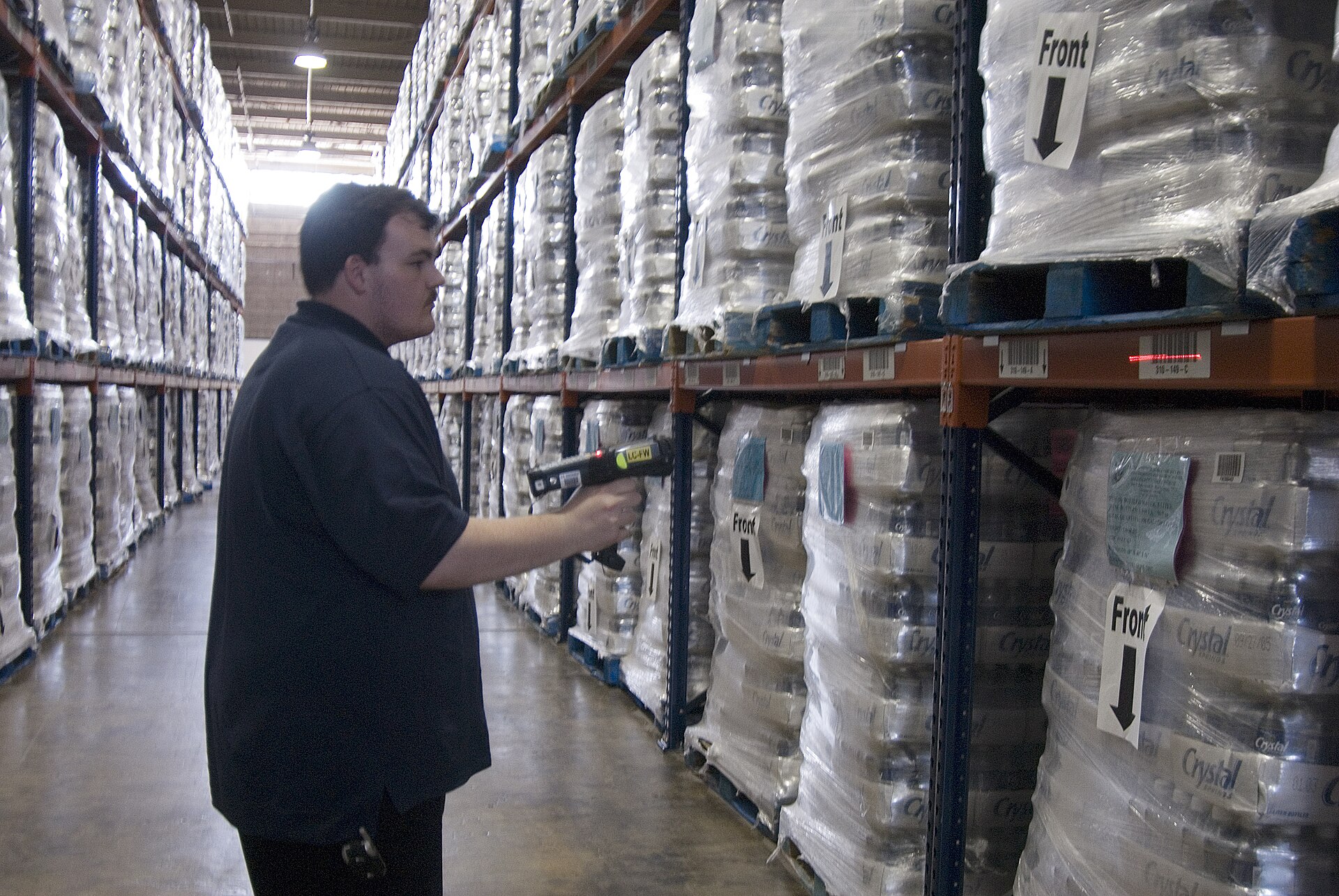
Walk into a modern fulfilment centre and the choreography is unmistakably new. Low robots glide beneath shelving pods and carry them to picking stations, arms sort parcels at speeds no team of people could sustain, and scanners track every item’s journey from arrival to dispatch. Yet for all the machinery, the buildings are full of people, supervising, maintaining, handling the exceptions and doing the jobs the robots still cannot.
This is the real shape of warehouse automation, less a story of buildings emptied of workers than of work reorganised around machines. Reporting by Reuters Technology on the logistics sector has charted how the largest operators deploy automation to cope with relentless e-commerce volumes and chronic difficulty hiring for physically punishing roles. The aisle is becoming robotic; the accountability, notably, is not.
Inside the Automated Aisle
The revolution began with a simple inversion: instead of people walking miles each shift to fetch goods, the goods travel to the people. Mobile robots shuttle shelving to stationary pickers, multiplying the number of items each worker can process while removing the most exhausting part of the job. Above and around them, conveyor systems with machine vision read labels, detect damage and route parcels, while autonomous vehicles move pallets between the dock and the racks.
Each generation of equipment handles more of the awkward reality of a warehouse: soft packaging that deforms, products in unexpected orientations, the endless variety that makes general-purpose grasping one of robotics’ genuinely hard problems. The frontier is shifting from moving things predictably to manipulating them reliably, and progress there is real but uneven, which is precisely why human hands remain stationed along the line, catching what the machines fumble, literally and otherwise.
Jobs Reshaped, Not Removed
Automation has plainly changed warehouse employment, but the pattern is transformation more than disappearance. Roles built on walking and fetching shrink; roles in robot maintenance, systems monitoring, quality control and exception handling grow. The busiest fulfilment centres often employ more people after automating than before, because the throughput the machines unlock expands the whole operation, an outcome that surprises those expecting a simple substitution of capital for labour.
The honest complications deserve attention. Productivity targets in automated buildings can intensify work for the humans who remain, pacing them to the machines around them, and the new technical roles often require training that employers provide unevenly. Whether automation makes warehouse work better depends less on the robots than on choices: about pace, about who gets reskilled, and about whether the efficiency gains are shared in pay or taken entirely in margin.
The Safety Ledger
Warehousing has historically been hazardous work, with injuries from lifting, falls, forklift traffic and repetitive strain filling a grim ledger. Automation attacks several of those causes directly. Robots take the heaviest carries and the longest walks; goods-to-person systems remove much of the forklift traffic from picking areas; and sensors enforce separation between people and moving machinery in ways that painted floor lines never could.
New risks arrive with the new equipment, of course: maintenance work on energised systems, batteries and charging infrastructure, and the ergonomic strain of fast, repetitive picking at a fixed station. Safety researchers therefore judge automated warehouses case by case rather than by slogan. The fairest summary of the evidence so far is that the aisle’s robots have removed a large share of the old dangers while management, not machinery, decides how dangerous the remainder will be. People remain in charge of that decision, which is exactly where responsibility for it belongs. The warehouses that thrive will be those that treat that partnership between people and machines as something to design carefully, not merely to install.
Read more on techzalo.com and in our Tech pages.
